Hedge Trimming in Notting Hill

Keep hedges neat, healthy and well-shaped with hedge trimming in Notting Hill, carried out as a focused garden service for domestic and managed outdoor spaces. Our work is centred on maintaining clear lines, balanced growth and a tidy finish, whether the hedge is part of a front garden, a boundary screen or a planted enclosure. We trim with the overall structure in mind, so the result looks deliberate rather than over-cut, and we take care to keep the work suited to the plant type and the season.
That can include routine hedge reduction, seasonal shaping, corrective tidying after a missed cut, and careful work around entrances, paths and shared boundaries. Where a hedge has become uneven, heavy at the top or crowded on one side, we can bring it back into a more manageable form. Our approach is practical and measured, aiming to support a clean finish without stripping away more growth than is needed for a good result.
If you need hedge trimming in Notting Hill and want to compare the work involved, start with a clear description of the hedge and the finish you would like. A short note about height, length and access is often enough to begin. For a quotation, you can get in touch when you are ready.
Routine hedge care and shaping
Regular trimming helps hedges hold their form and stay easier to manage over time. For many gardens, the best result comes from lighter, more frequent cuts rather than allowing a hedge to run too far before attention is given. We can work on formal hedges that need crisp lines and informal hedges that benefit from a softer outline, always keeping the cut consistent with the plant’s natural habit.
Well-timed trimming can also improve light, access and appearance along boundaries. If a hedge has started to spread into paths, obscure windows or interfere with nearby planting, a careful reduction can restore the intended shape while keeping the hedge healthy-looking. Where useful, we can discuss whether the task is mainly a light tidy, a fuller shape correction or a more substantial reduction of growth.
Keeping growth under control

Some hedges need more than a simple seasonal trim. When growth has become dense, wide or top-heavy, the work may need to be phased so the hedge can be brought back under control sensibly. We can handle trimming that helps reduce bulk, improve symmetry and clear overhanging sections, while still leaving the hedge with enough structure to recover well after the cut.
For hedges that sit beside drives, front gardens or shared access routes, tidy edges matter as much as height. A clean line can make the whole boundary look more ordered and can help prevent the hedge from encroaching into everyday use areas. If a hedge has mixed growth, bare patches or irregular sections, we can shape what is there in a way that keeps the finish as even as possible.
What the hedge trimming service can cover
The service can include a range of trimming tasks depending on the hedge, its location and the intended finish. Typical work may involve light clipping, sectional reduction, side and top shaping, neatening overgrowth, and tidying the outline so the hedge sits more cleanly within the garden. We also pay attention to how the hedge meets fences, walls, borders and paved areas so the result looks finished rather than simply cut back.
- Seasonal trimming for a sharper outline
- Height and width reduction where growth has spread
- General reshaping to correct uneven sides
- Boundary tidy-up for front and rear gardens
- Careful cutting near paths, beds and entrances
Hedges, boundaries and garden layout
Every hedge sits within a wider garden layout, so the trimming needs to suit both the plant and the space around it. A hedge along a narrow side return may need a different approach from a hedge forming a rear boundary or dividing one area of planting from another. The aim is to leave the hedge visually controlled without making the surrounding space feel harsh or overworked.
In practical terms, this means thinking about how the trimmed hedge reads from different angles. A front garden hedge often benefits from a tidy, presentable line, while a taller boundary hedge may need a more functional reduction to preserve privacy and keep the top from looking ragged. We work to the shape that best fits the setting and the character of the planting.
Preparing a quotation for hedge trimming

To prepare a quotation, it helps to have a straightforward description of the hedge, including approximate length, height and whether one or both sides need attention. If the hedge is behind gates, close to parked vehicles or along a shared access route, that is useful to know too. Clear details help the quotation reflect the actual work rather than a vague estimate.
When a hedge has multiple sections or different levels of cutting are needed, it is usually best to describe each part separately. For example, one side may only need a light tidy while another section needs more substantial reduction. Simple information is usually enough to start, and if the job has particular access or disposal considerations, those can be noted as part of the enquiry.
Working with different hedge types
Hedges vary widely in density, growth speed and response to cutting, so the trimming style needs to be chosen with care. Some hedges respond best to regular light maintenance, while others can tolerate a firmer reduction when they have become too broad. We aim to keep the work appropriate to the hedge type so the outcome is neat and balanced rather than blunt or uneven.
For denser hedges, a trim may need to focus on thinning the outside growth and re-establishing an orderly outline. For lighter or slower-growing hedges, the task may be mostly about preserving shape and keeping the line clean from one season to the next. If the hedge is part of a mixed planting scheme, we can keep the cut controlled so nearby shrubs and borders are not unnecessarily disturbed.
Notting Hill and its garden setting

About Notting Hill
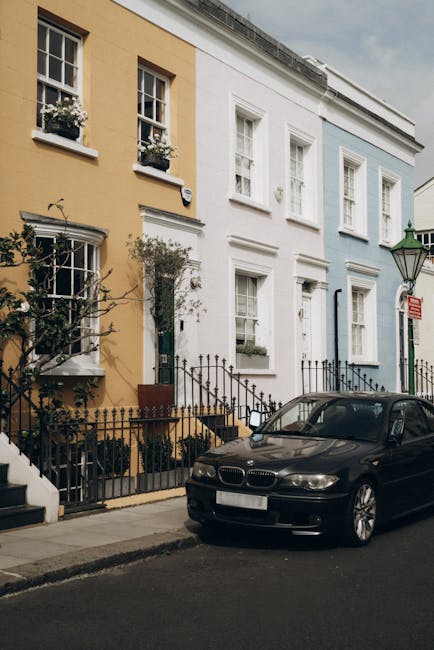
Notting Hill is a district in West London best known for its colourful terraces, garden squares and a long association with independent shops, street life and cultural events. It sits within the Royal Borough of Kensington and Chelsea, with parts of the area also linked to neighbouring borough boundaries in everyday use. The name is often associated with the old hill that once rose above the surrounding land, although today the district is more strongly defined by its urban streetscape than by any obvious height. Much of its architectural character comes from the 19th century, when the area developed into a densely built residential quarter with stucco-fronted terraces, mansion blocks and mews lanes. Several streets are notable for their painted façades and varied details, and the local conservation interest reflects how much of the building stock remains historically layered rather than uniform. The area is also shaped by its transport and cultural connections, with Notting Hill Gate acting as a major focal point and the annual carnival bringing international attention to the district’s streets. Public green space is part of the local appeal too, particularly the garden squares and nearby routes that give the district a softer feel than many central London neighbourhoods. Together these features make Notting Hill a place where domestic architecture, communal outdoor space and a strong street identity sit closely together.
Finishing work with a neat, balanced result
A good trim should leave the hedge looking settled into the garden rather than freshly attacked by shears. That means checking straight runs, curved sections and corner transitions so the whole hedge reads as one shape. Where the hedge has grown beyond its natural line, a careful correction can make a noticeable difference to the view from windows, paths and main entrances without making the hedge look artificially clipped.
We also consider the finish in relation to the rest of the garden. If there are formal beds, lawn edges or hard landscaping nearby, the hedge trim may need a cleaner line to match the overall style. If the garden is more relaxed, a softer profile may be more appropriate. In either case, the aim is to leave the hedge looking managed, proportionate and in keeping with its setting.
Before the trimming begins
It is helpful to ensure the hedge area can be reached safely and that the intended sections are easy to identify. If there are delicate plants, ornaments or surfaces close to the hedge, pointing those out in advance helps the work stay orderly. For larger or more complex hedges, a brief note on what matters most — height, width, shape or clearance — can make the quotation process easier to follow.
Some customers prefer a lighter tidy, while others want the hedge cut back to improve visibility or reclaim space along a boundary. Either is easier to plan when the target finish is clear. If you already know which parts matter most, mention them when requesting a quotation; that helps the work be scoped accurately and keeps the conversation focused on the hedge itself.
Other garden work around a hedge

Although hedge trimming is the main service here, some gardens benefit from related upkeep at the same time. A hedge can look much better when surrounding growth is also kept in order, especially where a boundary planting scheme, lawn edge or adjoining bed has become untidy. If the wider garden needs attention, it can be sensible to consider complementary maintenance rather than treating the hedge in isolation.
Relevant related pages on this website include garden maintenance for broader regular upkeep, lawn mowing when the grass needs attention alongside the hedge line, and garden clearance for more extensive outdoor tidying. For customers looking at larger changes, landscape gardening and landscaping cover different forms of garden improvement, while tree lopping and removal may be relevant where taller vegetation is affecting the hedge area.
Requesting a quotation
We aim to make the enquiry process straightforward: tell us what hedge needs trimming, where it sits in the garden, and what finish you would like. If there are sections of different height or density, or if access is restricted, mention that too. A careful quotation depends on the practical details, not on guesswork, so clear information helps the proposal stay relevant to the actual task.
For customers who want to review other service information before deciding, the pages on services overview, pricing and quotes, about us and contact us may be useful. If you are ready to move ahead, ask for a quotation for hedge trimming in Notting Hill and share the details of the hedge so we can assess the work properly.